
Is a Pool Heat Pump Worth It in Quebec? The Honest Math
A heat pump can add weeks to your swim season on both ends. Here's how they work in our climate, what they cost to run, and when they pay off.
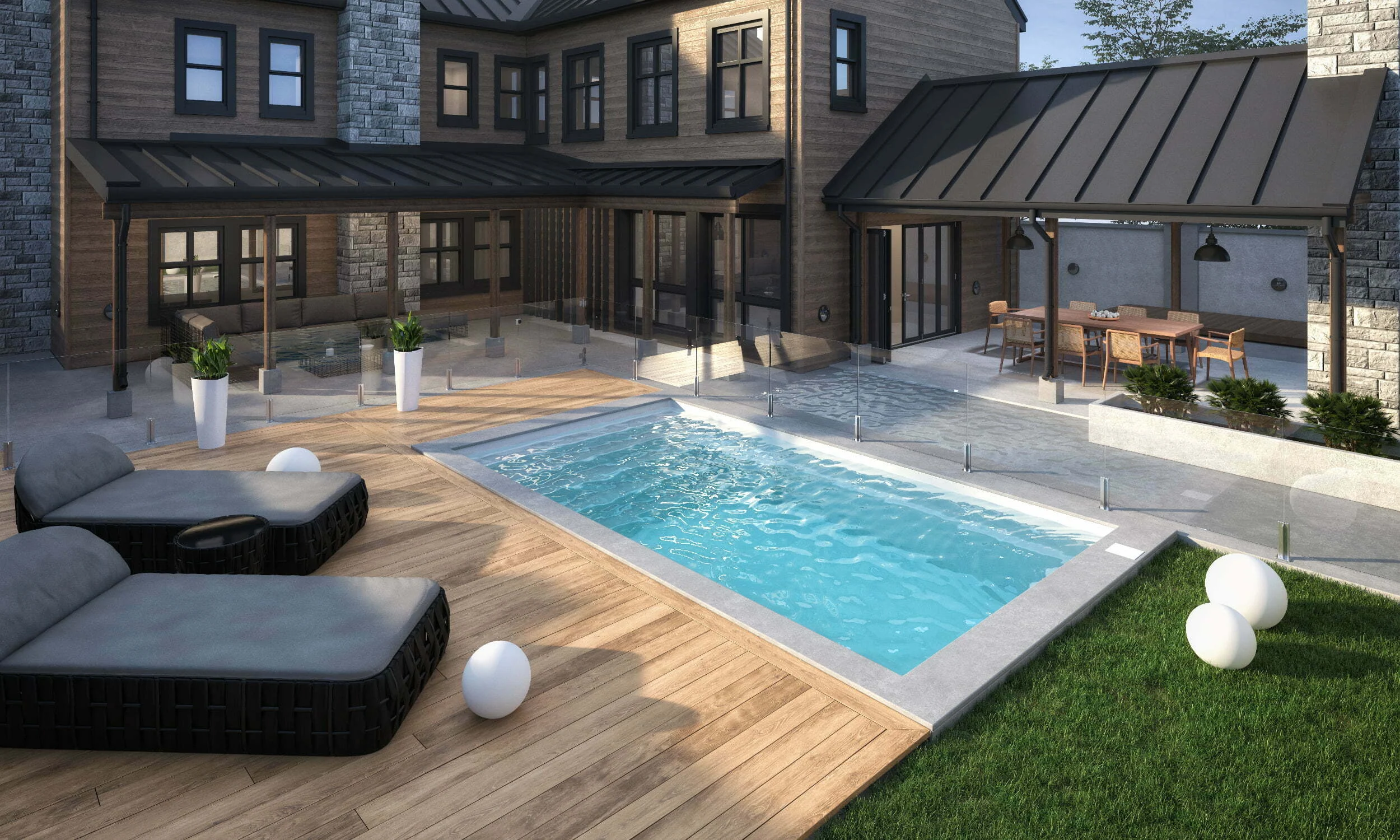
Quebec's swim season is short. You fight for every week of it. A pool heat pump is the single best tool for stretching that season, but only if you understand how it actually behaves in our climate.
How a pool heat pump works
A heat pump doesn't burn fuel to make heat. It pulls warmth out of the surrounding air and transfers it into your pool water, the same principle as an air conditioner running in reverse. That makes it far more efficient than a gas or electric heater for maintaining temperature over a long season.
The catch: it needs warm air
Because it harvests heat from the air, a heat pump works best when daytime temperatures are above roughly 10 to 15°C. In Laval and the Laurentides, that means it earns its keep from late May through September. It will warm your pool faster in July than in early May, and that's normal, not a defect.
For owners who want to swim in early May or late September, pairing the heat pump with a solar cover makes a real difference. The cover holds the heat the pump puts in, so the unit runs less and your bill stays lower.
What it costs to run
Running cost depends on pool size, target temperature, and how often you uncover the pool. The efficiency of a heat pump means you're typically paying a fraction of what a comparable electric-resistance heater would cost for the same warmth. Quebec's electricity rates also work in your favour here compared to most of North America.
When it pays off
If you'd otherwise close the pool in early September because the water's too cold to enjoy, a heat pump buys you several extra weeks of swimming a year. Over the life of the unit, that's a lot of additional use out of an asset you already paid to install. For most families who actually swim, it's worth it.
We install Thermeau heat pumps, built in Quebec for Quebec conditions. If you want a sizing recommendation for your pool, reach out and we'll spec it properly.
Got a pool question?


Laval, Quebec